
Welcome to ideartex, your trusted partner in sourcing high-quality textiles for the global fashion and home textile markets.
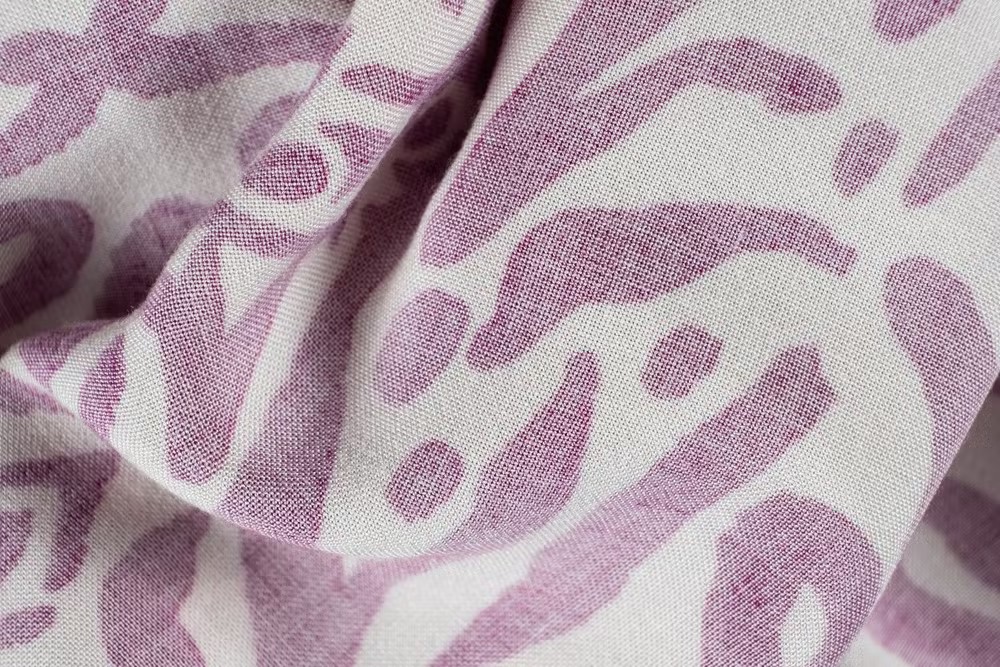
Viscose fabric is a highly sought-after, cost-effective material in both fashion and hometextiles. Renowned for its luxuriously smooth handfeel, fluid drape, silky luster, lightweight breathability, and rich, vivid dyeability, it serves as a popular and affordable alternative to silk—making it the go-to choice for brands crafting high-quality garments.
What Is Viscose Fabric?
First of all,viscose fiber is not type of polyester. Viscose is a semi-synthetic regenerated cellulose fiber in the rayon family. Sourced from plant materials but processed
chemically , so it is neither purely natural like cotton nor fully synthetic like polyester.
Unlike natural fibers, viscose is made by dissolving cellulose from wood pulp or other plant materials, then regenerating it into fibers via a controlled manufacturing process.
This unique combination gives viscose its soft texture and excellent breathability, distinguishing it from synthetic fabrics that are petroleum-based. Related types of rayon, such as modal and lyocell, share a similar origin but differ in production methods and performance characteristics, offering alternatives with varying strength and environmental profiles. Understanding these distinctions provides a solid foundation before exploring the raw materials used in viscose fabric production.
Quick facts:
- Viscose is a semi synthetic fiber made from natural cellulose.
- It combines the soft, breathable feel of natural fabrics with the cost-effectiveness of synthetics.
- We offer a full range of fabrics made from this semi-synthetic fiber.
What Is Viscose Made From? Dissolving Cellulose & Sources
Viscose fabric is prized for several key properties, and the viscose production process is a chemical production process that starts by extracting cellulose from wood pulp, often sourced from fast-growing trees such as eucalyptus, beech, pine, or bamboo. In the viscose process, that cellulose is treated with caustic soda to create alkali cellulose, then reacted with carbon disulfide to form cellulose xanthate. This creates a viscous organic liquid that is extruded through spinnerets into a sulfuric acid bath, where it solidifies into viscose fibers that can then be spun into yarn. The fibers are then washed, bleached, dried, and wound, completing the creation process.
Its exceptionally soft handfeel provides a luxurious comfort, making it ideal for garments such as dresses, blouses, and loungewear that prioritize touch and wearability. Additionally, viscose offers excellent breathability and moisture absorption, helping keep wearers cool and comfortable in hot climates. This makes it well-suited for lightweight summer apparel and everyday wear. Another major advantage is its outstanding dyeability—viscose fibers absorb dyes deeply and evenly, resulting in rich, vibrant colors and intricate prints that enhance the appeal of any collection. From a cost perspective, viscose rayon is often described as artificial silk because it offers silky fibers with a drape and appearance similar to silk without the higher price tag.
However, it is important to consider some inherent limitations of viscose. The fabric exhibits low wet strength, meaning it becomes weaker and more delicate when wet, which requires gentle handling during washing and care to avoid damage. Additionally, viscose can experience slight shrinkage if not properly pre-shrunk; fortunately, modern factory processing techniques significantly reduce this risk, ensuring better dimensional stability in finished products. Conventional viscose production also relies on chemical-intensive processing of raw pulp, so while certified wood pulp and other responsibly sourced inputs are preferable, unmanaged steps in the production process can contribute to air and water contamination.
For buyers seeking enhanced performance, improved variants of viscose are available. high wet modulus rayon offers greater strength and durability when wet, making it suitable for applications requiring more resilience. Related options include modal rayon, a stronger and smoother rayon often used for products such as underwear or bedsheets. Meanwhile, high tenacity rayon is designed for heavy-duty uses, such as industrial textiles and reinforcement materials, providing superior durability.
Viscose vs Polyester: What’s the Difference?
Viscose is NOT polyester. This distinction is crucial for fashion and home textile buyers to understand, as these fabrics differ fundamentally in origin, structure, and performance.
Biodegradability: When comparing viscose to polyester, viscose is often seen as an eco friendly fabric because viscose biodegradable performance comes from its cellulose base, although how well it breaks down depends on conditions and composting is not always harmless to soil life such as earthworms. Compared with cotton, viscose sustainable claims need more caution because cotton is a natural fiber, while viscose is a semi synthetic material made from chemically processed wood pulp. Polyester, however, is made from synthetic materials, is non-biodegradable, and can persist in the environment for hundreds of years, contributing to microplastic pollution. As one of the regenerated fibers rather than fully synthetic fibers, it sits between natural and man-made textiles in how it is produced and how it breaks down.
Dyeability & Color Vibrancy: Viscose fibers absorb dyes more uniformly due to their cellulose composition, resulting in richer, deeper, and more vibrant colors. Polyester’s hydrophobic nature makes dyeing more challenging, often requiring special treatments, and colors may appear less saturated or fade faster.
When to Choose Polyester: Despite these benefits, polyester remains the preferred choice for projects demanding high durability, excellent wrinkle resistance, and heavy daily use. Its strength and shape retention make it ideal for outerwear, uniforms, and performance textiles where longevity is key, and polyester resists wrinkles and keeps its shape better than viscose.
Near the sustainability comparison, it is also worth noting that conventional viscose production can use carbon disulfide and sodium hydroxide in ways that are not always environmentally friendly, with risks for waterways and air quality. By contrast, sustainable viscose and eco friendly viscose are made in closed-loop systems that can recover up to 99% of processing chemicals, but most conventional viscose on the market is still not responsibly sourced. About 70% of the tree used can be wasted during processing, which worsens deforestation pressure, so choosing viscose from certified, responsibly managed supply chains matters.
Apparel Applications
Viscose is an excellent choice for fashion apparel such as flowy dresses, blouses, and skirts, as lightweight viscose drapes beautifully with a silk like drape and showcases vibrant prints with rich color saturation in summer apparel. Its breathable and soft handfeel ensures comfort, making viscose clothing and viscose garments ideal for warm weather and stylish layering. In both the fashion industry and the broader textile industry, this versatility helps explain why viscose knits are popular for elevated tees and loungewear, offering a luxurious softness that enhances everyday comfort while maintaining a polished appearance.
Home Textiles and Interiors
In home textile applications, viscose is favored for bedding, curtains, and cushion covers because of its silky texture and superb dyeability, which bring richness and elegance to interior spaces. For durability in high-use items, buyers should consider requesting factory-applied finishes that improve abrasion resistance, ensuring that the fabric maintains its aesthetic appeal and longevity in home environments.
Industrial & Technical Uses
High tenacity rayon, a robust variant of viscose, is used in heavy-duty industrial applications such as tire cords, reinforcement fabrics, filters, and conveyor belts, where strength and elasticity are critical, and you can also find viscose in other engineered technical products. For projects requiring enhanced wet strength, high wet modulus (HWM) rayon offers improved durability when exposed to moisture, expanding viscose’s utility beyond apparel and home textiles.
Viscose is popular in beauty products, such as face masks and cleansing cloths, because of its absorbency and gentle texture, making it suitable for skin contact. It is also used in medical products like wound dressings and surgical swabs, where softness and high absorbency help reduce irritation on sensitive skin.
Blends and Other Fabrics
Blending viscose with organic cotton and other fibers can improve durability or stretch while preserving the softness and drape that make these fabrics so versatile. Incorporating elastane into viscose blends enhances stretch recovery and shape retention, which is particularly beneficial for activewear and form-fitting garments that require flexibility without compromising softness.
This practical overview highlights how viscose’s versatility and performance characteristics can be leveraged across diverse product categories, helping fashion designers and home textile buyers make informed fabric choices for their collections. Our Offerings and Technical Specs (Idealtex) Idealtex proudly offers premium viscose fabrics designed to meet the demands of fashion buyers and home textile importers globally. With a minimum order quantity of only 300 meters, we provide the flexibility perfect for small to medium production runs, enabling you to manage your inventory efficiently while maintaining high quality. Our viscose fabrics come in customizable weights ranging from 80 to 180gsm and are available in a wide spectrum of custom colors to match your unique design needs. We also deliver full OEM and ODM support, ensuring your specifications are precisely realized. Coupled with fast lead times and readily available samples, Idealtex makes it easy for you to evaluate and select the right fabric for your collection. We invite you to submit your tech packs or lab dip requests today for a tailored quote and to experience our commitment to quality and service firsthand.
Everyday Care Recommendations for End-Users
Proper care and maintenance are essential to preserve the quality and longevity of viscose fabrics, whether in fashion garments or home textiles. Here is a practical guide tailored for both end-users and production buyers.
Gentle Washing: Viscose fabric is delicate, especially when wet. We recommend hand washing with mild detergent or using the delicate cycle on your washing machine to minimize stress on the fibers.
- Air Drying: To prevent shrinkage and distortion, always air-dry viscose items flat on a clean surface or hang them to dry naturally. Avoid tumble drying, as heat and agitation can damage the fabric.
- Low-Temperature Ironing: If ironing is necessary, use a low-temperature setting and place a protective cloth between the iron and the fabric to avoid scorching or shine marks.
Production-Focused Tips for Buyers
- Pre-Shrink Samples: Before committing to bulk production, ensure that samples are pre-shrunk under controlled conditions. This step helps reduce post-production size variations and returns.
- Factory Finishes for Enhanced Performance: Request specialized factory finishes such as high wet modulus (HWM) treatments that significantly improve viscose’s wet strength and durability, making the fabric more resilient during washing and everyday use.
- Check Responsible Sourcing Signals: When comparing blends with pure viscose, look for FSC certification and closed-loop processing as indicators of more environmentally responsible production.
By following these care and production guidelines, fashion designers and home textile buyers can maximize the performance and appeal of viscose fabrics in their collections.
- recommend gentle hand wash or delicate machine cycle
- recommend air-dry flat or hang to avoid distortion
- recommend low-temperature ironing with protective cloth
- instruct to preshrink samples before bulk production
- instruct to request factory finishes for improved wet strength
Top FAQs of Chiffon Fabric: All You Need to Know Before Bulk Order
These basic parameters help apparel buyers confirm whether viscose chiffon matches their seasonal garment development plan before placing bulk orders
1. Is viscose polyester?
No. Viscose is a semi-synthetic fiber made from regenerated cellulose derived from natural plant materials, whereas polyester is a fully synthetic fiber made from petroleum-based polymers.
What are the core physical features of viscose chiffon?
1.Excellent moisture absorption & breathability: It quickly absorbs skin sweat, much cooler to wear than polyester chiffon in hot summer.
2.Soft hand feel & natural draping: Smooth and supple texture with natural falling effect, superior to ordinary polyester chiffon in softness.
3.Matte natural luster: Gentle low-gloss surface without artificial shimmer like pearl chiffon.
Shortcoming: The fabric is prone to shrinkage and weaker in tensile strength when soaked with water.
How much shrinkage rate can buyers expect for regular viscose chiffon?
Unfinished ordinary viscose chiffon usually has a natural shrinkage around 5%~8% after first water washing. With preshrinking finishing during production, qualified finished viscose chiffon can control shrinkage within 3%~5%, which meets most garment production standards. Apparel factories need to reserve shrink allowance during pattern cutting.
What clothing styles are viscose chiffon most suitable for?
Best application: Summer casual dresses, blouses, camisoles, loungewear and lightweight scarf products, focusing on skin-friendly daily wear and high-street women’s clothing.
Not recommended: Items requiring high elasticity or long-term frequent washing such as sportswear; also not ideal for wedding dress fabric that needs long-term stereoscopic draping.
What is bamboo viscose?
Bamboo viscose is viscose fabric made from bamboo cellulose. It is popular for its eco-friendly appeal when sourced responsibly from sustainable bamboo plantations.
Why does viscose chiffon wrinkle easily compared with polyester chiffon?
Root cause lies in viscose fiber molecular structure. Cellulose fiber is poor in elastic recovery; after being squeezed or folded, fiber creases cannot bounce back automatically. Polyester fiber has stable elasticity and anti-wrinkle property inherently. Pre-wrinkle finishing can reduce creasing of viscose chiffon but cannot eliminate the feature completely.
How to distinguish viscose chiffon from polyester chiffon by simple identification methods?
1.Hand touch: Viscose is cooler and softer; polyester feels smooth with slight plastic texture.
2.Water drop test: Drop water on fabric surface, viscose absorbs water fast and darkens quickly; polyester repels water and stays almost unchanged.
3.Burning test: Viscose burns with plant fiber smell and grey ash; polyester melts into hard black bead when burning.
Curious About Our Viscose Fabrics? Let’s Talk
Viscose fabric uniquely combines a soft handfeel, excellent breathability, vibrant dyeability, and cost-effectiveness, making it a versatile choice for both fashion and home textile applications. While it does have inherent limitations such as shrinkage risk and low wet strength, these can be effectively mitigated with careful processing and quality control.
At Idealtex, we specialize in viscose fabrics that balance performance and practicality. Our range includes customizable weights from 80 to 180gsm, a wide array of color options, and OEM/ODM support—all designed to fit your production needs, with minimum order quantities that work for small and large runs alike.
If you’re exploring the right viscose fabric for your next collection, we’d be happy to help. You can request samples to feel the quality firsthand, share your tech packs for a tailored quote, or simply reach out to discuss your specific requirements.