A Simple Guide
“Spandex,” “elastane,” and “Lycra®” often appear on the same quote with no explanation, and a wrong guess can mean paying a premium for a generic fiber, or receiving fabric that goes loose after a few washes.
This guide gives you what you need to compare stretch fabric quotes with confidence:
- Which names mean the same thing, and which one is just a brand
- How to choose between nylon-spandex and polyester-spandex for your product
- How spandex content affects wash durability and colorfastness, based on our own test data at 3%, 5% and 8%
- How to spot fake or low-quality spandex, plus a checklist to confirm with any supplier before you order
Spandex, Elastane, and Lycra Are Not Three Different Materials
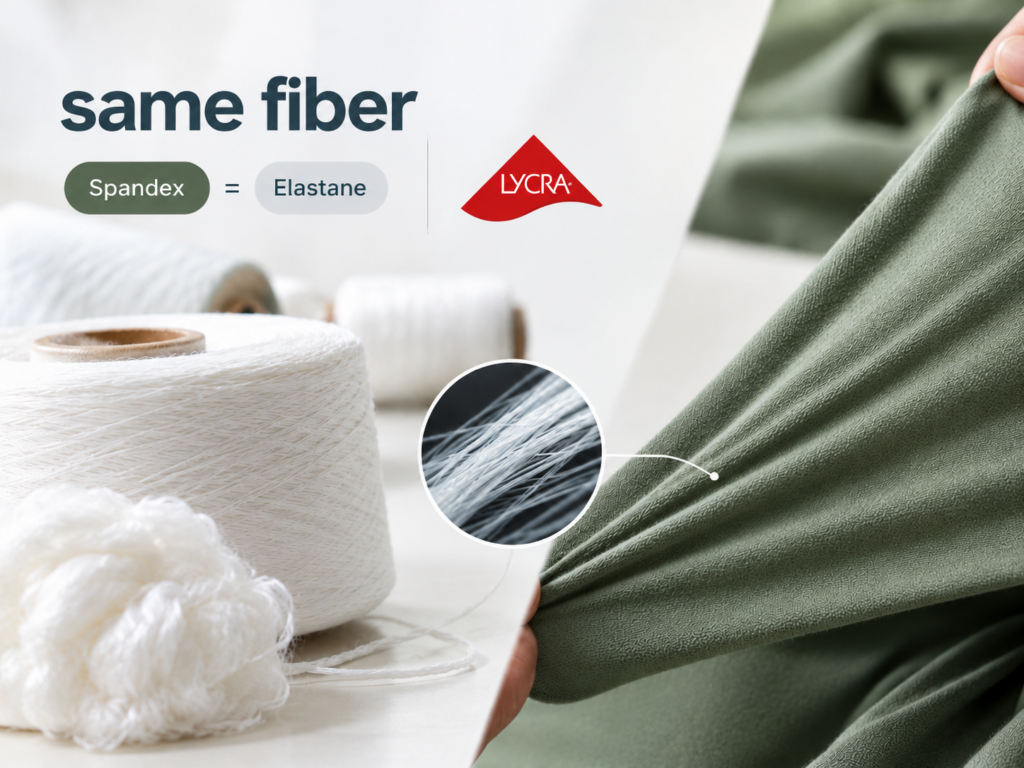
Spandex and elastane are the same fiber. Lycra® is a brand name for that fiber, owned by a specific manufacturer.
Think of it like “soda” vs “Coca-Cola.”Soda is the general category, and Coke is just one brand.Spandex and elastane are the same — Lycra® is the premium branded version on top.
The name difference is regional, not chemical. According to [Wikipedia’s spandex entry], the term “spandex” is preferred in North America, while continental Europe uses variants of “elastane.”
How Spandex Fiber Is Made — and What Actually Drives Stretch
What Is Spandex Made From?
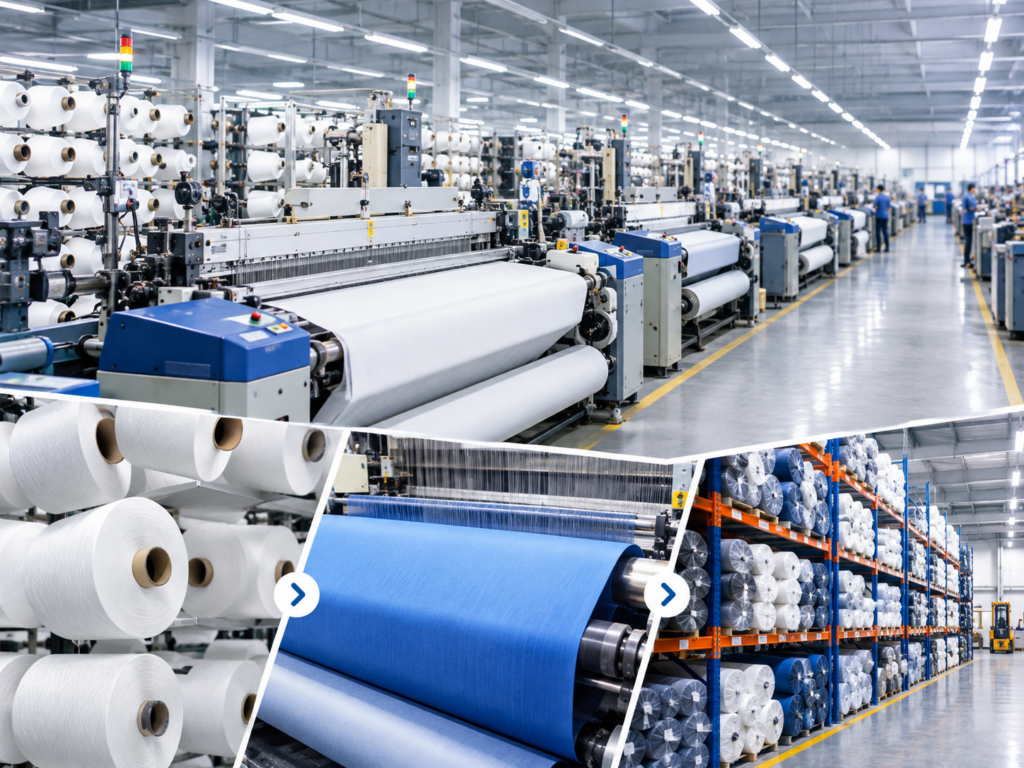
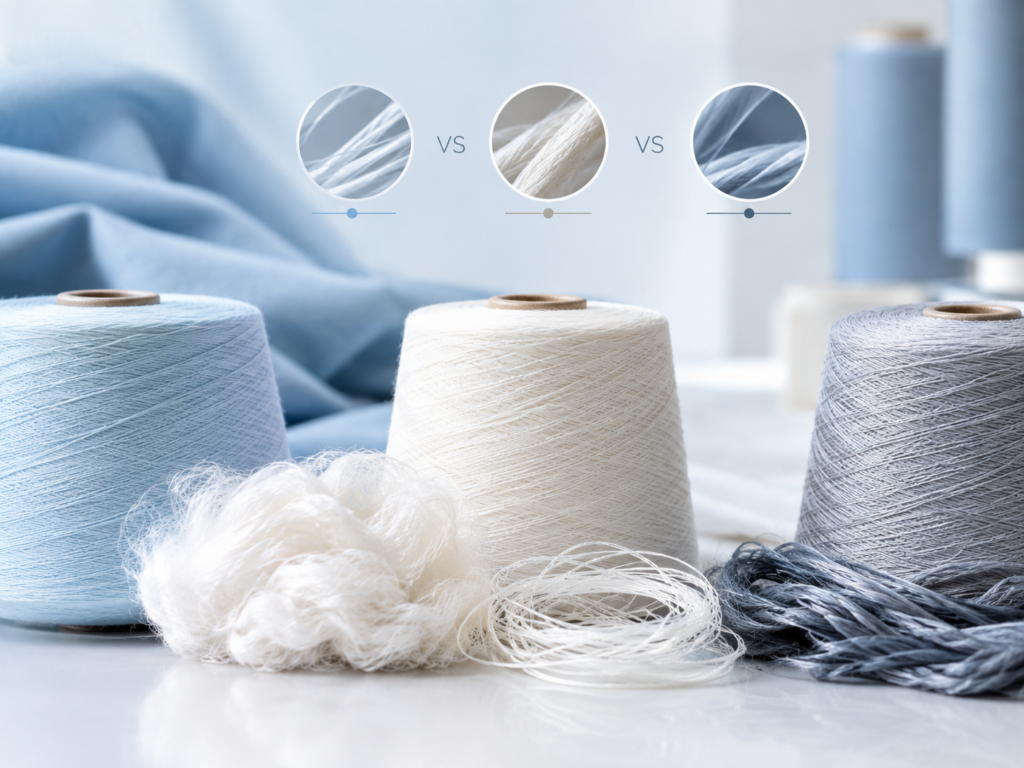
Spandex is an elastic fiber made from polyurethane; it’s almost never used alone. Instead, it’s blended with a “base yarn,” usually nylon or polyester, to make [spandex fabric]: the base yarn carries the structure, while the spandex supplies stretch and recovery.
Does Spandex Content Alone Determine How a Fabric Performs?
No. Spandex percentage is only one input, not the full answer. In our production experience, yarn denier, stretch tension, fabric structure, base yarn type, fabric weight, and finishing all combine to determine the final stretch and recovery.
A supplier who can only speak to “20% spandex” and nothing else is usually reselling greige goods rather than controlling the weaving process.
Nylon-Spandex or Polyester-Spandex: Which Should You Choose?
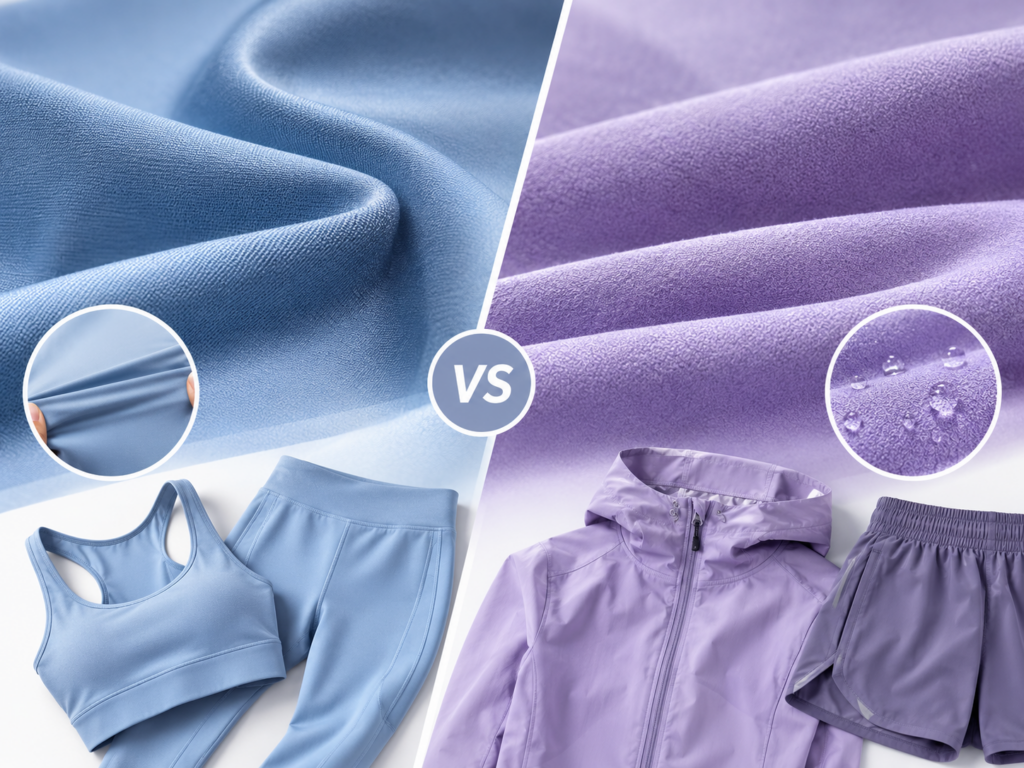
Base yarn is just as important as spandex content.
Nylon-spandex blends generally win on hand feel and recovery, making them the top choice for leggings and shapewear.
Polyester-spandex blends win on chlorine resistance, UV resistance, and quick-dry performance, which is why they dominate swimwear and outdoor activewear.
Does More Spandex Content Always Mean Better Performance?
Not exactly — wash durability and colorfastness data tell a clearer story than most spec sheets do.
How Wash Durability Changes With Spandex Content
Test setup. We ran the same nylon single-jersey base fabric at 3%, 5%, and 8% spandex content through repeated home-laundering cycles (per GB/T 8629 / AATCC 135), then measured elastic recovery using ASTM D2594-type methods after each cycle.
Recovery rate results:
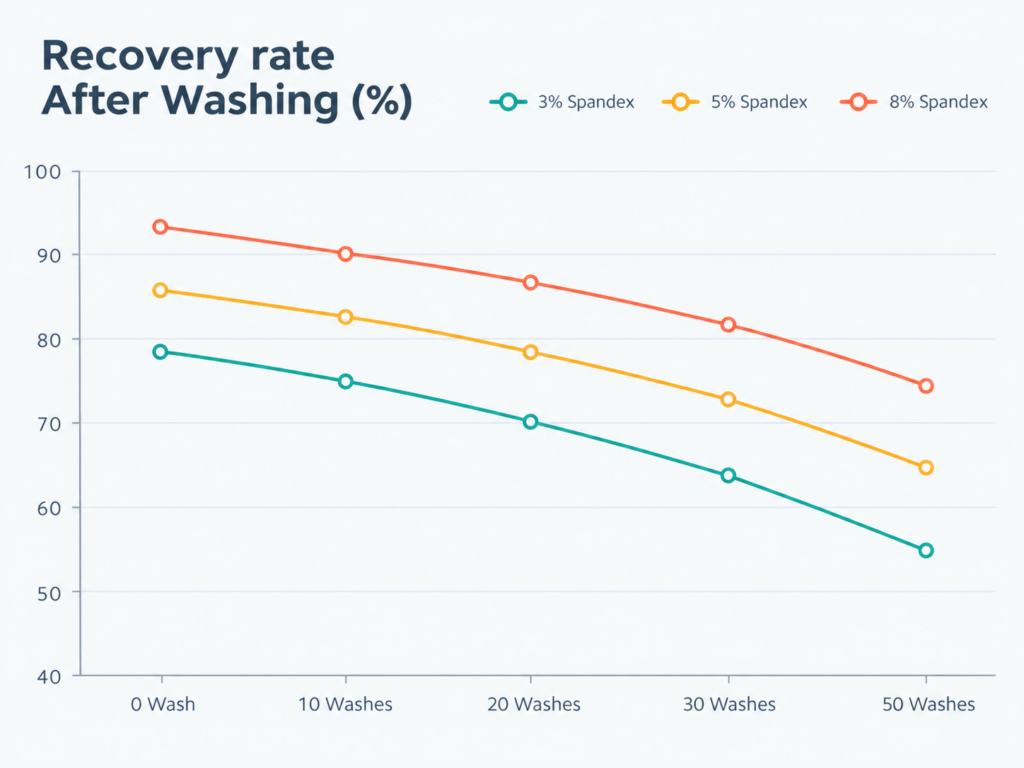
What the data means. Higher spandex content starts with better recovery and holds onto it longer.
The 3% fabric loses recovery fastest, which shows up as a garment that “gets looser and looser” after a few washes. The biggest drop happens in the first 20 washes, then it stops dropping as fast — a pattern consistent with fiber fatigue and normal aging.
How Colorfastness Changes With Spandex Content
Test results. Color Fastness After 30 Wash Cycles (Grade 1–5) Grade 5 = best; tested in accordance with GB/T 3921 (washing), GB/T 8427 (light), GB/T 3920 (rubbing).
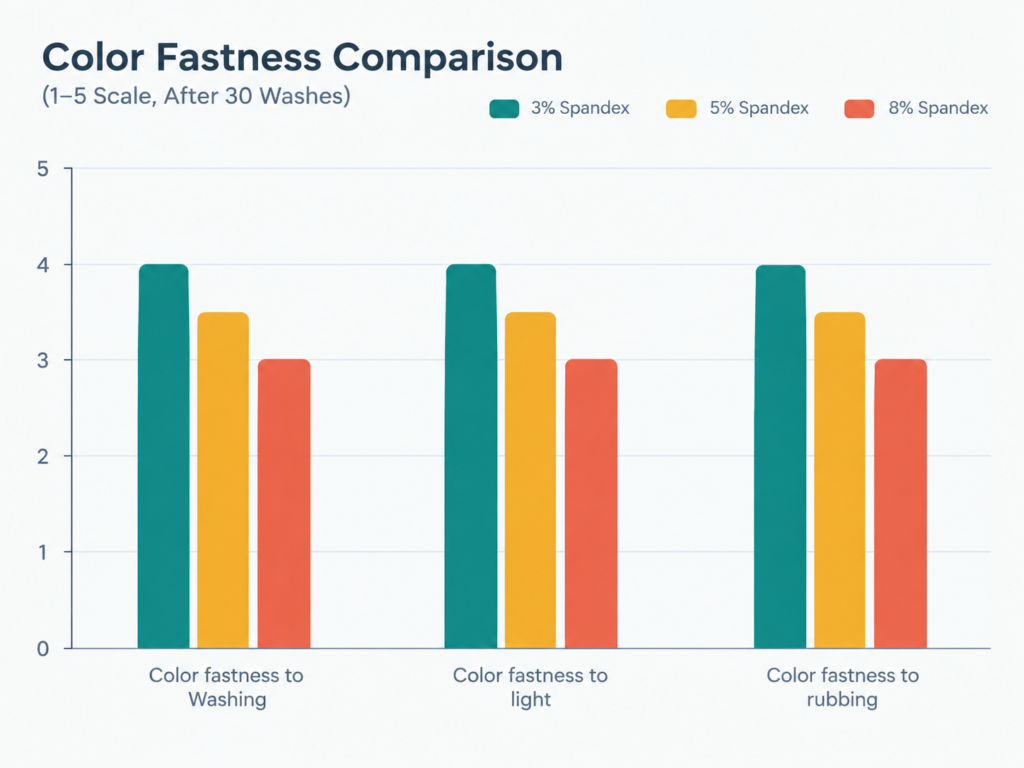
Why it happens. Spandex yarns dye differently from the base fibers—they have lower dye uptake and weaker dye–fiber bonding, making them fade more easily during washing and sunlight exposure.
What to watch out for. Higher spandex content consistently reduces fastness, with light fastness being the weakest link. For high-spandex, especially deep-shade fabrics exposed to sunlight, compensate with lightfast dye selections and UV/fixation finishing.
How to Spot Low-Quality or Fake Spandex
Here’s an inconvenient fact: spandex and standard PU elastic yarn are both polyurethane-based, so their burn characteristics are pretty much the same. A burn test can confirm your base yarn (cotton, nylon, or polyester) but can’t reliably tell real spandex from a low-quality options.
What burn testing can tell you:
Material | Burn characteristics | Smell | Residue |
Cotton | Burns easily, steady flame | Burning paper | Fine gray ash |
Nylon | Melts, curls, self-extinguishes | Celery / plastic | Hard, round gray-brown bead |
Polyester | Melts, black smoke, drips | Sweet plastic | Hard black bead |
Spandex / PU yarn | Shrinks, melts, black smoke | Plastic / scorched | Sticky residue + charred bead |
Five checks that are more reliable than a burn test:
Recovery speed. Cut a 10 cm sample, stretch to 20 cm, hold 30 seconds, release. Real spandex bounces back quickly and doesn’t stay stretched.; Low-quality options recover slowly and stay loose.
Hand-feel tension. Stretch the fabric between both hands. Real spandex feels evenly tensioned; Low-quality options often feel loose or gummy.
Surface inspection. Check the surface for lines, cloudy patches, or wrinkles — signs of poor spandex tension control or yarn changes mid-run.
Bleach water test. Put a small sample in bleach and water for about an hour, then test the stretch. Low-quality elastic fiber breaks down faster and turns stiff.
Content Check. A dissolution test, in-house or third-party, confirms the labeled spandex percentage actually matches the fabric.
A Quick Checklist Before You Request a Quote
Most fabric quotes list a spandex percentage and stop there. That’s not enough to compare suppliers fairly. Before you commit, confirm these details in writing:
Fiber system. Nylon 6, nylon 66, or polyester base yarn, plus spandex denier and whether the yarn is bare or covered.
Stretch performance. 4-way stretch or 2-way stretch, warp and weft stretch percentage, and elastic recovery rate — each one is tested against a recognized industry standard.
Wash durability. Recovery rate after repeated home washing, not just the original performance when it’s first made.
Colorfastness. Wash, light, and rubbing ratings, especially for dark or saturated colors at higher spandex content.
Traceability. For anything labeled Lycra®, request INVISTA licensing documentation and yarn batch records.
A supplier who answers all five without hesitation is usually one who controls their own knitting and finishing, rather than one reselling unverified greige goods.
FAQ
What spandex percentage do I need for my product?
It depends on the end use. As a general guide, woven shirts and denim use 1–3%, everyday knit tops 3–8%, and leggings, swimwear, or shapewear 10–20%+. Higher spandex improves stretch and recovery, so choose the lowest level that meets your performance needs.
Why does spandex fabric get loose after washing?
Repeated washing gradually reduces elastic recovery. Lower spandex content may lose recovery faster, especially during the first several wash cycles. Incorrect or inconsistent spandex content can make the problem worse.
Is Lycra® better than regular spandex?
Lycra® is a branded spandex known for controlled specifications and traceability. High-quality unbranded spandex can also perform well, so the key is verified performance. For Lycra® products, check authorization documents; for unbranded spandex, review relevant test data.
Can I get samples before placing a bulk order?
Yes. You can request color swatches and stretch samples to check hand feel, stretch, and color before committing. Contact us with your target spandex content and base yarn, and we’ll recommend options.
Choosing the Right Stretch Fabric Depends on Matching, Not Guessing
Same Fiber, Different Names — Focus on Performance
Spandex, elastane, and Lycra® describe the same fiber family— the names just vary by region and brand.
The real work isn’t knowing which name to use — it’s choosing the right spandex content and base yarn that match your product’s real use and washing needs, then confirming your supplier can support their claims with real data.
What to Ask Before You Order
Before you request your next quote, ask for wash-durability and colorfastness data at your target spandex content, not just a percentage on a spec sheet.
How Idear Tex Helps
As a stretch fabric manufacturer, Idear Tex works directly with brands to develop nylon-spandex and polyester-spandex fabrics from initial spec through bulk production.
If you’re deciding fiber options for an upcoming order, contact us for a fabric consultation or request color swatches and stretch samples to get started.