
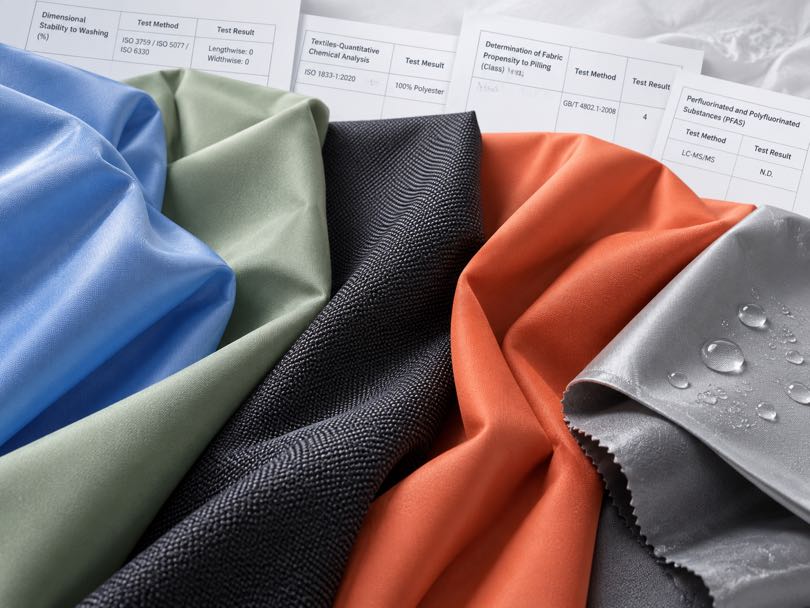
Choosing polyester fabric may seem simple until two “210T” quotes come in with a 20% price difference. In this guide, we’ll show you how to compare polyester types, read the specs, and verify a supplier’s claims using actual test reports.
We’re a fabric manufacturer supplying outdoor, outerwear, sportswear and functional fabrics to brands and factories worldwide. Below, we’ve included results from our own third-party lab reports on shrinkage, fiber content, pilling and PFAS. Let’s get into it.
What Is Polyester Fabric?
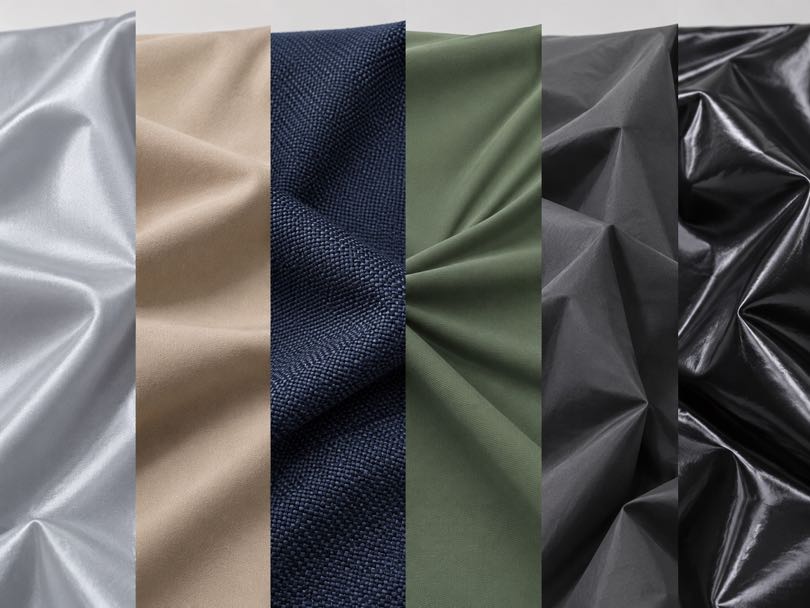
Polyester is a synthetic fiber made mainly from PET (polyethylene terephthalate). PET chips are melted, spun into filament yarn, then woven or knitted into fabric.
It dominates outdoor and sportswear for practical reasons. It’s affordable, dries quickly, and holds its shape wash after wash.
Key Properties of Polyester Fabric
Polyester absorbs very little moisture, so it dries fast and resists shrinking. It also handles sunlight and repeated washing well.
It has limits too. It can build static, feel less soft than natural fibers, and pill if the yarn or construction is poor. Knowing both sides helps you match the fabric to the product.
Common Types of Polyester Fabric
The names below describe how the fabric is made, not its quality. Each type is designed for a different use.
Fabric | Typical specs we supply | Typical uses |
190T / 210T | Linings, lightweight jackets, covers | |
240T / 300T | Windbreakers, down jackets, outdoor shells | |
Poly oxford | 300D / 600D | Bags, tents, pet gear, storage products |
4-way stretch poly | ~130gsm | Activewear, sports jackets, casual wear |
Memory-look poly | 75D | Fashion outerwear, trench coats |
Bubble fabric | 300T | Textured jackets, casual outerwear |
Most of these can also be coated (PU, TPU) or laminated for water resistance.
How to Read Polyester Fabric Specs
Three numbers do most of the work: T count, denier and GSM.
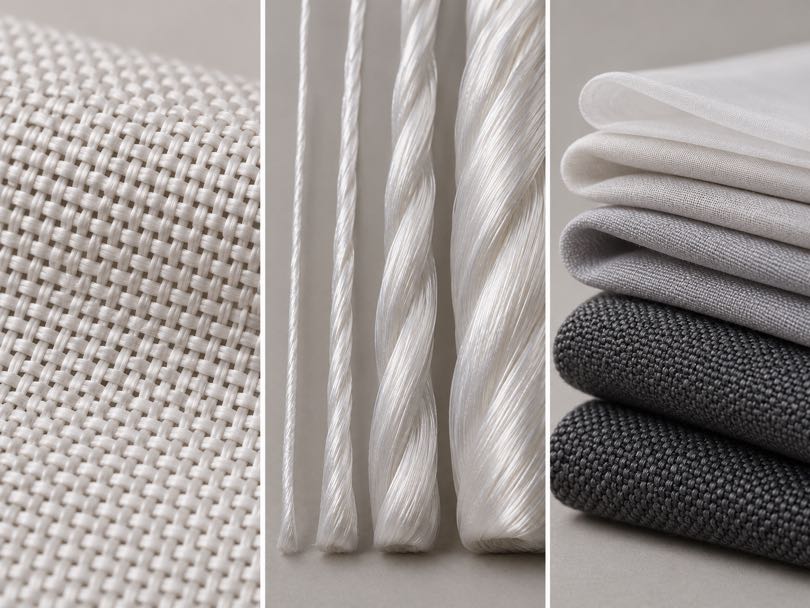
T count is the thread count per square inch. It tells you how tight the weave is. Denier (D) describes yarn thickness. GSM is fabric weight in grams per square meter.
Here’s why two “210T taffeta” fabrics can price differently:
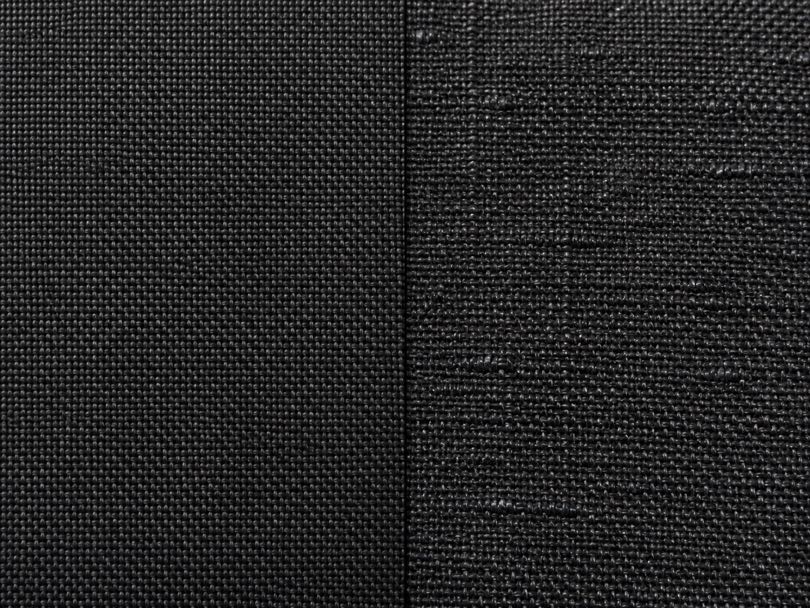
- Yarn grade. Cheaper yarn varies more in thickness and dye uptake.
- Real density. A fabric labeled 210T may not measure 210T.
- Finishing. Heat setting, calendering and coating all add cost and change performance.
- Coating amount. One PU layer or two changes hand feel and water resistance.
If a quote looks unusually low, ask which of these was reduced.
What Our Lab Reports Show
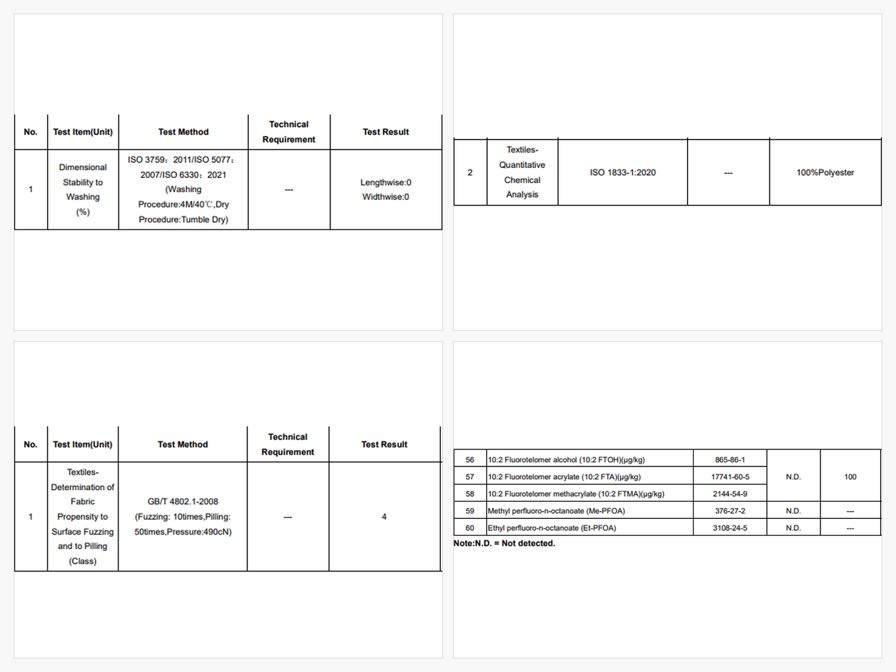
Spec sheets tell you what performance a fabric should have. Test reports tell you how it actually performs. We sent three polyester fabrics to Jiangsu New Horizon Testing, a CNAS-accredited lab.
Shrinkage: 210T Poly Taffeta
We washed a black 210T poly taffeta according to ISO 3759, ISO 5077 and ISO 6330 (4M wash at 40°C, tumble dry). The reported dimensional change was 0% lengthwise and 0% widthwise.
Shrinkage is a common reason for garment rejection. A fabric that keeps its size helps reduce cutting problems and rework.
Fiber Content: 100% Polyester
The same sample went through quantitative chemical analysis (ISO 1833-1). The result confirmed 100% polyester.
This matters more than it sounds. Some low-priced fabrics carry a polyester label but contain blended fibers. If fiber content affects your dyeing, recycling or labeling, ask for this test.
Pilling: Poly Spandex Stretch Fabric
We tested a dark grey polyester spandex fabric to GB/T 4802.1-2008 (10 fuzzing cycles, 50 pilling cycles, 490 cN pressure). It scored Class 4.
Pilling is graded from 1 to 5, and 5 means no pilling. A Class 4 result is a solid level for stretch fabrics that rub against skin, bags and seat belts.
PFAS: 350T Poly Pongee
From 10 October 2026, the EU limits PFHxA in clothing and footwear textiles. France has also banned PFAS in clothing textiles since 1 January 2026. If your buyers sell into Europe, ask your fabric supplier for PFAS test results.
We tested a chocolate 350T poly pongee to EN 17681-1:2025, covering 60 listed PFAS substances. None were detected at the reported detection limits.
That result applies to the sample we tested. If your product needs the same claim, ask for a report on your exact fabric and finish. For background on where the rules are heading, see ECHA’s PFAS restriction timeline.
Polyester vs Nylon: Which Should You Choose?
Both fibers work well in outdoor gear. The choice depends on what your product faces most.
Factor | Polyester | Nylon |
Abrasion and tear strength | Good | Higher |
Shrinkage | Very low | Slightly higher |
Color and UV stability | Strong | Moderate |
Moisture absorption | Very low | Higher |
Cost | Lower | Higher |
If your priority is a stable, cost-efficient fabric for linings, jackets or bags, polyester is often a great fit. If the product takes heavy abrasion, such as backpacks or luggage, nylon might be worth the extra cost. For more detail, read our nylon fabric guide.
Finishes That Turn Polyester Into Performance Fabric
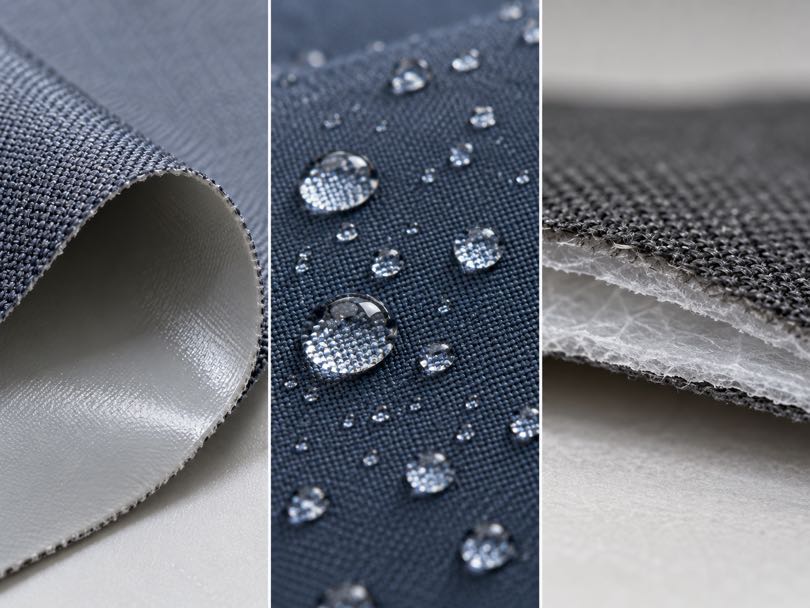
Plain polyester isn’t waterproof. Finishes and laminates close that gap.
PU or TPU coating adds water resistance and body to the fabric. DWR (durable water repellent) makes water bead on the surface; given the PFAS rules above, ask whether it’s fluorine-free. Lamination bonds a membrane or a second layer to create waterproof, breathable products.
Each finish should come with a test result, such as hydrostatic head before and after washing. A coating that passes new but fails after five washes won’t survive real use.
How to Choose a Polyester Fabric Supplier
Before you place a bulk order, it helps to ask for:
- Third-party reports for shrinkage, fiber content, pilling and colorfastness, not just a spec sheet
- Reports on the exact fabric and finish you plan to buy
- Clear MOQ, sampling time and production lead time
- Details on coating or lamination, including wash durability
- Certifications relevant to your market: [insert your certifications, e.g. OEKO-TEX, GRS]
A supplier who shares real data before the order usually communicates the same way after it.
FAQ
Is polyester fabric waterproof?
Polyester itself is not fully waterproof. Waterproof performance usually comes from PU or TPU coating, DWR treatment, or lamination. Ask for hydrostatic pressure test results if waterproofing is important for your product.
What is the difference between 210T and 210D polyester?
210T refers to thread count, while 210D refers to yarn thickness. They measure different things, so they should not be compared directly.
Does a higher GSM mean better polyester fabric?
Not always. Higher GSM means a heavier fabric, but strength and durability also depend on yarn quality, weave density, coating and finishing.
How can I check whether a polyester fabric is really 100% polyester?
Ask for a fiber-content test report based on a recognized test method such as ISO 1833. A spec sheet alone does not confirm actual fiber content. ISO 1833-1 is the general framework for quantitative chemical analysis of textile fibre mixtures.
What test reports should I ask for before bulk production?
That depends on the end use, but common tests include shrinkage, fiber content, pilling, colorfastness, waterproof performance and restricted substances such as PFAS.
Choosing the Right Polyester Fabric
Choosing polyester fabric is not just about comparing T count, denier or GSM. The real difference often comes from yarn quality, construction, finishing and coating.
Before bulk production, compare the exact specs, check third-party test reports, and make sure the fabric is tested in the same finish you plan to buy. The next step is to match those results to your actual product use, whether that is outerwear, sportswear, bags or other outdoor applications.
Ready to Find the Right Polyester Fabric?
If you’d like to explore our fabric range or discuss your application, target GSM, finish and performance requirements, contact us. We can recommend a starting specification, arrange samples and provide relevant test reports.